
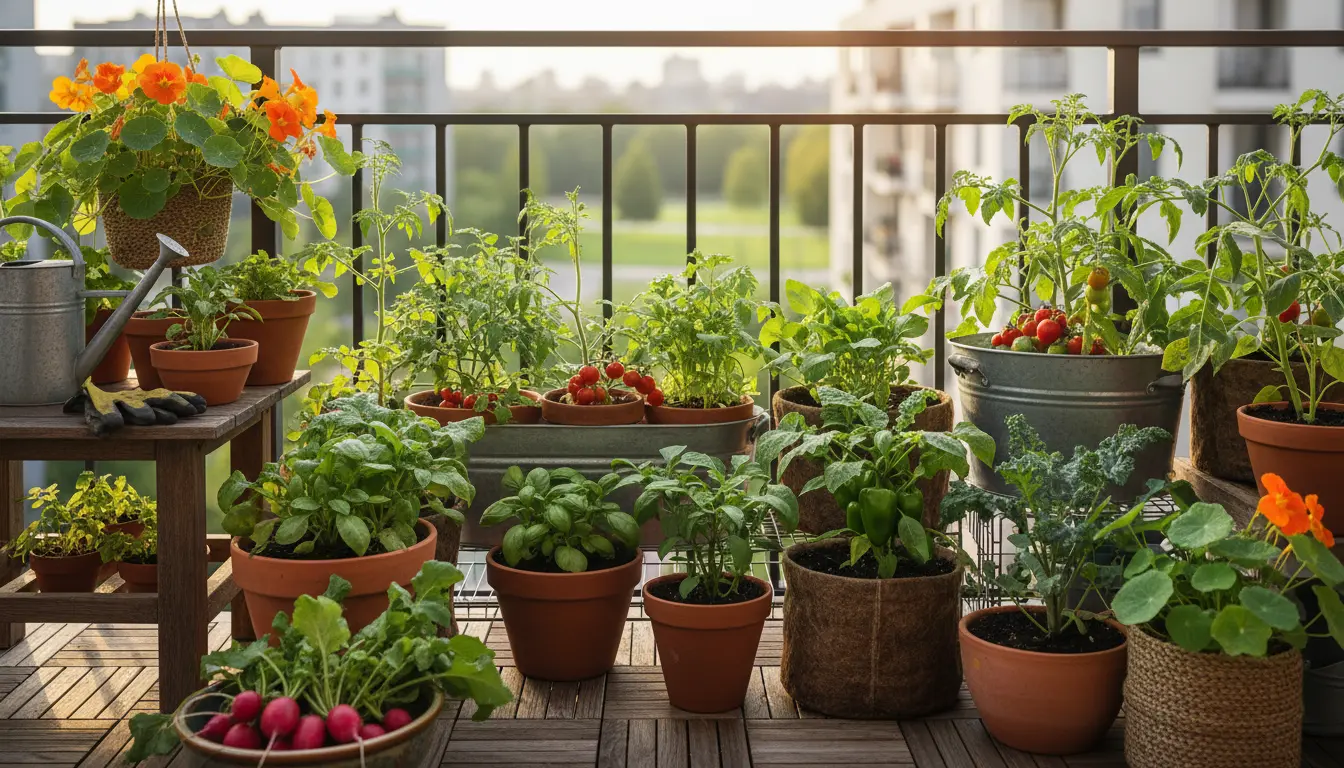
Starting a small vegetable garden is a practical way to grow fresh food even with limited space. This guide shows clear, step-by-step instructions so beginners can plant and maintain a productive garden.
How to Start a Small Vegetable Garden: Choose the Right Spot
Location strongly affects success. Most vegetables need at least 6 hours of direct sunlight each day.
Check sunlight at different times and pick a place with good drainage and easy access to water.
Sun, Shade, and Space for a Small Vegetable Garden
Measure sunlight and note where shade falls. South-facing spots usually receive the most sun in the Northern Hemisphere.
If you have only a balcony or patio, use containers and choose compact or dwarf varieties suited to small spaces.
Prepare Soil and Containers for a Small Vegetable Garden
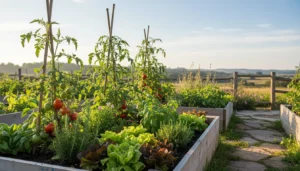
Healthy soil is the foundation of a productive vegetable garden. For containers, use a high-quality potting mix with compost added.
For in-ground beds, loosen soil to at least 8–12 inches and work in organic matter like compost or well-rotted manure.
Soil Tips and Testing
- Test soil pH with a simple kit; most vegetables prefer pH 6.0–7.0.
- Add compost yearly to improve texture and nutrients.
- Use raised beds if drainage is poor or soil is compacted.
What to Plant First in a Small Vegetable Garden
Choose easy, high-yield vegetables for beginners. Fast results keep you motivated and reduce risk of failure.
Start with a mix of leafy greens, herbs, and a couple of fruiting crops suited to containers or small beds.
Beginner-Friendly Plants
- Leafy greens: lettuce, spinach, arugula
- Herbs: basil, parsley, chives
- Container-friendly fruiting plants: cherry tomatoes, peppers, bush beans
- Root crops: radishes and baby carrots
Planting and Spacing in a Small Vegetable Garden
Follow seed packet or plant tag spacing recommendations to avoid overcrowding. Thinning helps plants, light, and airflow.
Use vertical supports like cages, trellises, or stakes to save ground space for sprawling crops like tomatoes and beans.
Watering and Feeding Your Small Vegetable Garden
Plants need consistent moisture, especially in containers which dry out faster. Water early in the morning to reduce evaporation.
Feed with a balanced organic fertilizer or compost tea every 3–4 weeks during the growing season for steady growth.
Practical Watering Tips
- Use soaker hoses or drip irrigation for in-ground beds to save water and reduce leaf wetness.
- Check containers daily in hot weather and water when the top inch of soil feels dry.
Pest and Disease Management in a Small Vegetable Garden
Preventive practices are more effective than reactive ones. Keep plants healthy with good spacing and clean tools.
Use row covers, companion planting, and hand-picking to reduce pests without heavy chemicals.
Common Problems and Solutions
- Aphids: spray with a strong stream of water or use insecticidal soap.
- Fungal diseases: improve air circulation and avoid overhead watering.
- Slugs: use beer traps or hand-pick at dusk to reduce damage.
Container-grown tomatoes can produce fruit in as little as 60 days with the right care. Containers warm faster in spring, giving plants an early start.
Maintenance Routines for a Small Vegetable Garden
Spend 15–30 minutes a few times a week checking plants, watering, and removing dead leaves. Regular harvest encourages more production.
Rotate crops each season if you have in-ground beds to reduce disease and nutrient depletion.
Small Vegetable Garden Case Study: Balcony Tomatoes and Herbs
Emma, a city renter, set up three 12-inch containers on her south-facing balcony. She planted one cherry tomato, one basil, and one mixed lettuce in each container.
She used a commercial potting mix with compost and fed plants with liquid organic fertilizer every three weeks. By week 10, she had continuous salad greens and a steady supply of cherry tomatoes.
Her costs: about $60 for containers and soil, and $15 per season for seeds and fertilizer. The yield cut grocery trips and gave fresh herbs for cooking.
Quick Start Checklist to Start a Small Vegetable Garden
- Choose a sunny spot with water access.
- Select containers or prepare a small bed and add compost.
- Pick beginner plants like lettuce, herbs, and cherry tomatoes.
- Plant at proper spacing and use vertical supports if needed.
- Water consistently and feed monthly during the growing season.
- Monitor pests and harvest regularly.
Starting a small vegetable garden is achievable with simple planning and a short routine. Focus on healthy soil, consistent watering, and appropriate plant choices to get quick, rewarding results.