
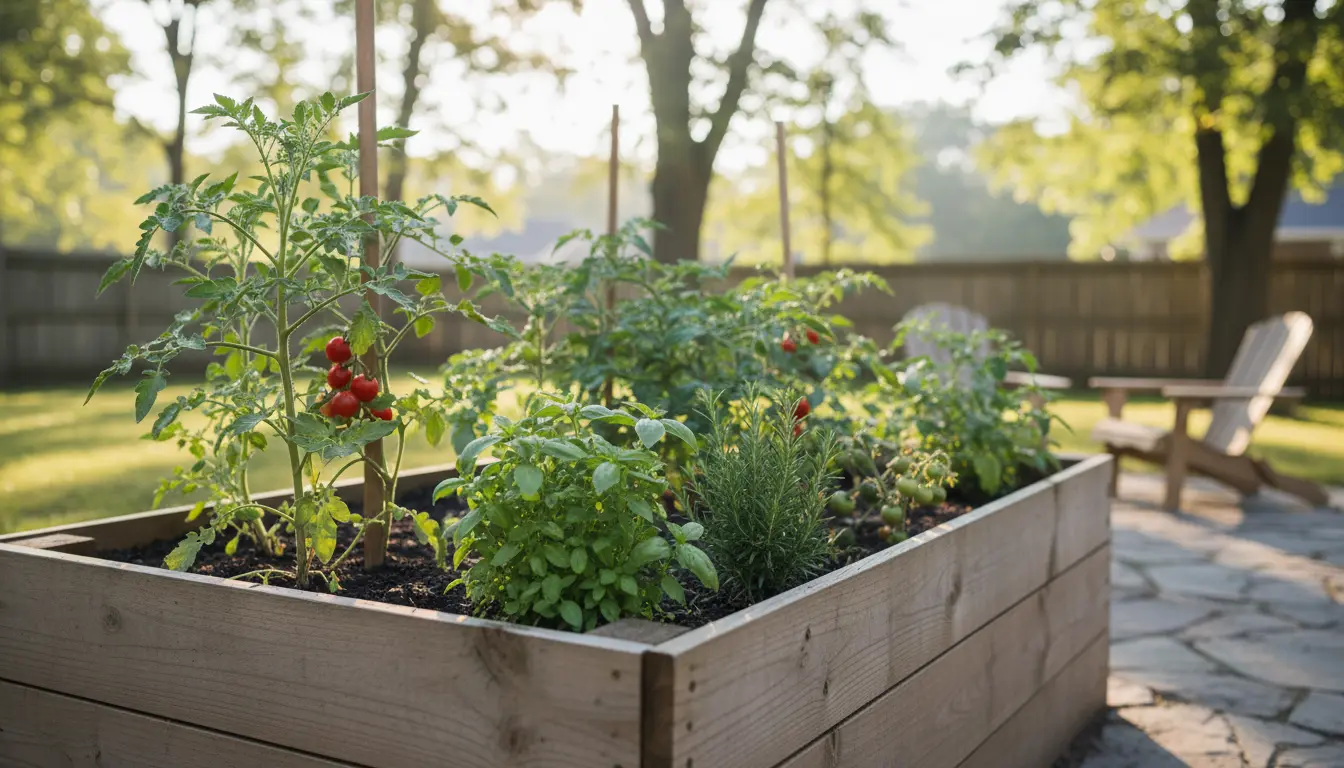
Starting a small vegetable garden is a practical way to grow fresh food, save money, and enjoy a hands-on hobby. This guide gives clear steps you can follow whether you have a yard, balcony, or small patio.
How to Start a Small Vegetable Garden: Plan First
Good planning saves time and prevents common mistakes. Decide the garden size, location, and main vegetables you want to grow before buying soil or seeds.
Choose a Spot for Your Small Vegetable Garden
Vegetables need sunlight. Pick a place that receives at least 5–6 hours of direct sun daily for most crops. If sunlight is limited, focus on leafy greens and herbs that tolerate partial shade.
Consider access to water and ease of care. A spot near a hose or faucet reduces time spent carrying water. Think about wind, pets, and foot traffic when choosing the location.
Decide on Ground Beds, Containers, or Raised Beds
Small gardens work well in containers or raised beds. Containers are ideal for balconies and patios. Raised beds improve drainage and soil depth in poor ground conditions.
- Containers: Good for tomatoes, peppers, herbs.
- Raised beds: Better for root crops like carrots and beets.
- In-ground beds: Best if soil is healthy and drainage is good.
How to Start a Small Vegetable Garden: Prepare Soil and Supplies

Healthy soil is the foundation of a productive garden. Prepare a simple mix for containers and amend ground soil if needed.
Basic Supplies
- Quality potting mix for containers or compost-amended topsoil for beds
- Seeds or seedlings (starts)
- Watering can or hose with gentle spray
- Simple tools: trowel, hand fork, gloves
- Mulch: straw, wood chips, or leaves
Soil Preparation Tips
For containers use a commercial potting mix that drains well. For raised beds or ground plots, mix 25–40% compost into the top 6–8 inches of soil.
Test drainage by digging a hole and filling with water. If water drains within an hour, drainage is adequate. If not, raise the bed or add organic matter.
How to Start a Small Vegetable Garden: Choose Easy Crops
As a beginner, pick vegetables that are forgiving and fast to harvest. This builds confidence and ensures early success.
- Lettuce, spinach, and other salad greens — fast and tolerant of partial shade.
- Radishes and baby carrots — quick harvests in small space.
- Tomatoes and peppers — productive in containers with proper support.
- Herbs like basil, parsley, and mint — low maintenance and useful in the kitchen.
Planting Schedule
Check your local last frost date. Plant cold-tolerant crops before the last frost and warm-season crops after frost risk passes. Use seed packets for spacing and depth instructions.
How to Start a Small Vegetable Garden: Watering and Care
Consistent watering is key. Small containers dry out quickly, so check moisture daily in hot weather.
- Water deeply to encourage strong roots. Aim for the soil to be moist, not waterlogged.
- Use mulch to retain moisture and suppress weeds.
- Fertilize lightly with a balanced, slow-release fertilizer or regular compost tea every 4–6 weeks.
Pest and Disease Basics
Watch plants weekly and remove any damaged leaves. Common pests like aphids and slugs can be managed with hand removal, soapy water sprays, or beer traps for slugs.
Practice crop rotation if you have multiple seasons in the same bed. Rotate plant families to reduce disease buildup in soil.
Raised beds warm faster in spring, allowing you to plant earlier. A 4–6 inch layer of compost can improve soil fertility and structure dramatically in the first season.
How to Start a Small Vegetable Garden: Harvesting and Scaling
Harvest frequently to encourage new growth. Pick herbs and lettuce leaves regularly; harvest tomatoes when fully colored for best flavor.
If space is limited, try succession planting. Sow a new row of lettuce every 2–3 weeks to keep a steady supply. Interplant fast crops like radishes with slower crops like tomatoes to use space efficiently.
Simple Maintenance Checklist
- Daily: Check soil moisture and look for pests.
- Weekly: Remove weeds and dead leaves; stake tall plants.
- Monthly: Add compost or feed if growth slows.
Small Real-World Case Study
Case Study: A 10×4 foot raised bed in a city backyard. The gardener planted lettuce, carrots, bush beans, and two determinate tomatoes. After amending the soil with compost and using a drip hose, the bed produced salad greens every week and 25 pounds of tomatoes during summer.
Key actions that led to success were regular watering, mulching to keep soil cool, and harvesting frequently to encourage more production. The gardener avoided common mistakes by starting with seedlings for tomatoes and sowing quick radishes between rows.
Final Tips to Start a Small Vegetable Garden
Start small and build your confidence. A single container with herbs or a small raised bed is enough to learn the basics and enjoy fresh produce.
- Keep a simple garden journal: plant dates, varieties, and harvest notes.
- Learn one new technique each season, like composting or seed starting.
- Join a local gardening group or online forum for timely advice.
With straightforward planning, basic tools, and regular care, anyone can successfully start a small vegetable garden and enjoy homegrown produce within weeks to months.