
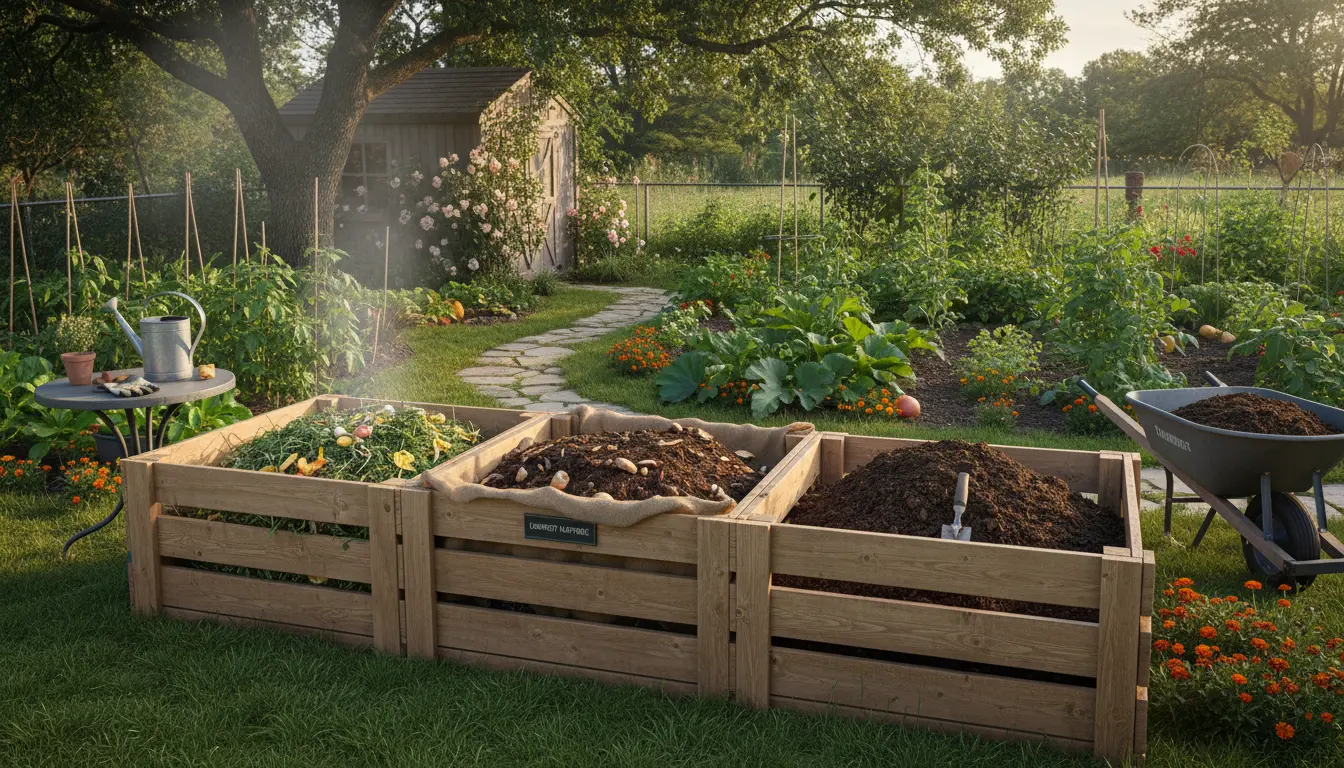
Home composting turns kitchen and yard waste into nutrient-rich soil. This guide explains practical steps to start home composting and maintain a healthy compost pile.
Why Home Composting Matters
Home composting reduces household waste sent to landfills and improves soil structure. It also returns nutrients to your garden and lowers the need for chemical fertilizers.
Choose a Method for Home Composting
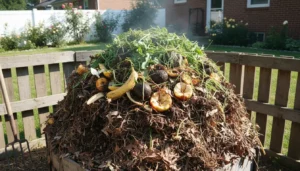
Selecting the right method depends on space, time, and how much waste you produce. Common options include backyard bins, tumblers, and worm bins for small spaces.
Backyard Compost Bin
Backyard bins are simple and low cost. They work well for yard trimmings, leaves, and larger volumes of kitchen scraps.
Compost Tumblers
Tumblers speed up turning and aeration. They are easier to manage but can be more expensive than basic bins.
Worm Composting (Vermicompost)
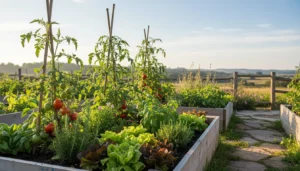
Vermicompost systems suit apartments or small households. Red worms process food scraps quickly and produce very rich compost.
What to Compost at Home
Aim for a balance of ‘greens’ (nitrogen) and ‘browns’ (carbon). This balance helps microbes break down material efficiently.
- Greens: fruit and vegetable scraps, coffee grounds, fresh grass clippings.
- Browns: dry leaves, straw, shredded cardboard, paper (non-glossy).
- Avoid: meat, dairy, oily foods, diseased plants, and pet feces.
How to Start Home Composting: Step by Step
Follow these clear steps to set up and manage your compost system. Each step keeps the process simple for beginners.
1. Pick the Right Spot
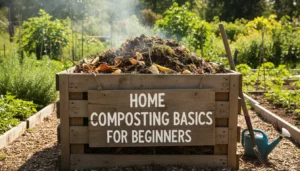
Place your bin on bare soil or a well-drained area. Partial shade helps keep moisture balanced and prevents overheating.
2. Build a Balanced Pile
Start with a layer of coarse browns for drainage. Alternate layers of greens and browns. Aim for roughly three parts browns to one part greens by volume.
3. Keep Compost Aerated and Moist
Turn or tumble the pile every 1–2 weeks to add oxygen. The pile should feel like a wrung-out sponge—moist but not soggy.
4. Monitor Temperature and Breakdown
Active compost heats to 120–160°F (49–71°C). If it cools, add greens and turn the pile to revive microbial activity.
Common Problems and Quick Fixes for Home Composting
Many issues are simple to fix once you know the cause. Use this checklist to troubleshoot common problems.
- Bad smell: Add more browns, mix the pile, and reduce wet food scraps.
- Slow breakdown: Chop materials smaller and add more greens or turn more often.
- Pests: Avoid meat and pet waste, use a closed bin, and bury new food scraps under browns.
- Dry pile: Add water or fresh greens, and mix to distribute moisture.
Using Finished Compost in Your Garden
Finished compost looks dark, crumbly, and smells earthy. Use it to improve soil, top-dress lawns, or mix into potting soil.
- Vegetable beds: Work 1–2 inches into the topsoil before planting.
- Flower beds: Mix compost with existing soil to improve drainage and nutrient content.
- Potted plants: Blend one part compost with two parts potting mix for an enriched medium.
Composting a single family household’s organic waste can divert hundreds of pounds of material from landfills each year and cut methane emissions.
Real-World Example: A Small Backyard Success
Sara, a homeowner in a suburban neighborhood, started a 60-gallon tumbler and a small worm bin two years ago. She combined yard leaves with kitchen scraps and turned the tumbler weekly.
By the end of the first season she had rich compost to top-dress her vegetable beds. Her tomatoes were noticeably healthier and required less watering. Sara reduced her trash volume by about 40 percent.
Practical Tips to Keep Home Composting Simple
- Keep a small counter caddy for scraps to make daily collection easy.
- Chop larger scraps to speed decomposition.
- Record turning dates and observations to learn what works in your climate.
- Ask neighbors to share leaves or browns if you need more carbon material.
Final Checklist to Start Home Composting
- Choose a bin style that fits your space.
- Collect greens and browns before starting.
- Maintain moisture and aeration with regular turning.
- Monitor progress and use finished compost in the garden.
Home composting is a practical, low-cost way to reduce waste and improve soil. With the right setup and simple maintenance, anyone can turn kitchen scraps into a valuable resource for their garden.