
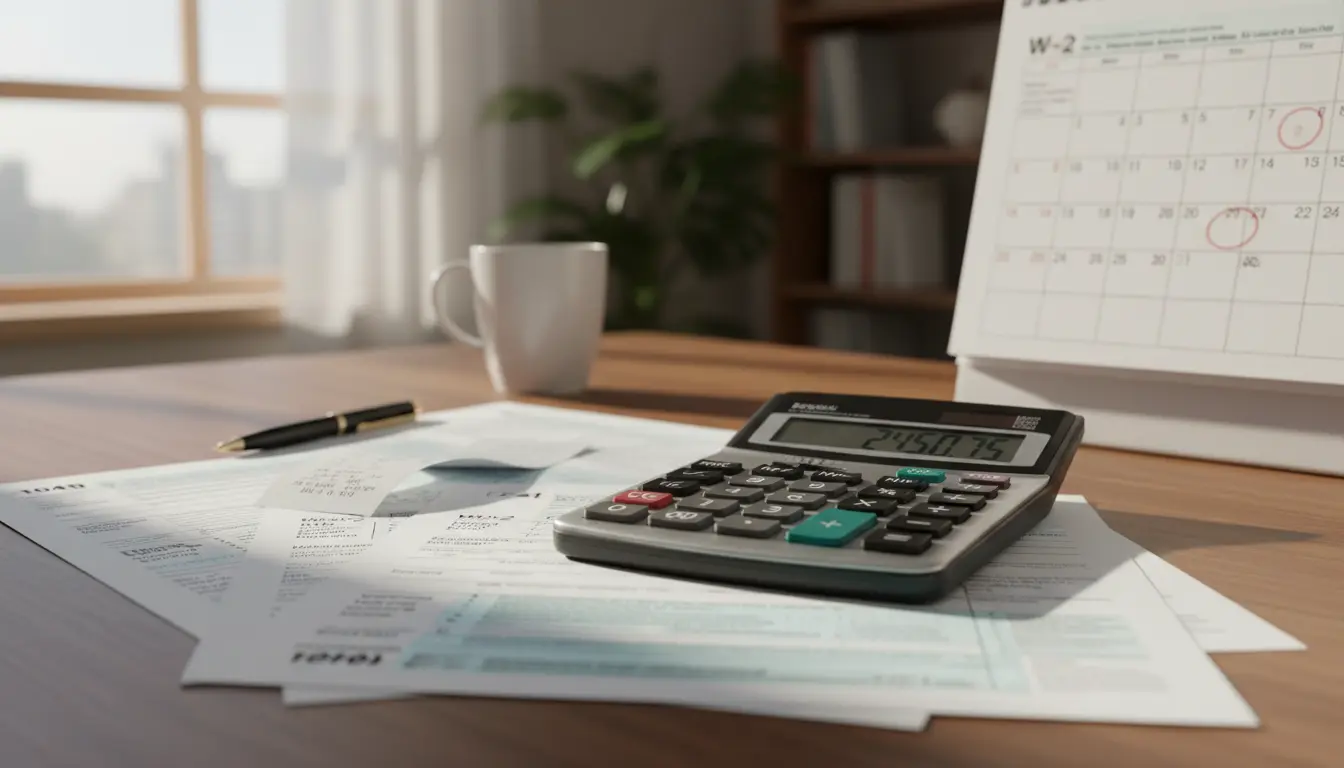
IRS 2026 Refund Schedule Explained
The IRS sets a processing cadence each filing season that determines when refunds are released. Understanding the 2026 refund schedule helps you choose the fastest way to get paid and avoid common delays.
How the IRS 2026 refund schedule works
The IRS begins processing tax returns at the start of the filing season, usually in late January. Returns are processed in the order they are received and in batches based on filing method and verification needs.

Electronic returns are handled first and are generally faster than paper returns. The IRS may hold some refunds for identity verification or credits like the Earned Income Tax Credit (EITC).
When to expect your refund
For 2026, the typical timeline remains similar to recent years: e-filed returns with direct deposit often clear within about 21 days. Many taxpayers receive refunds in less time, but the IRS still advises allowing up to 21 days for standard processing.
Paper returns and mailed checks can take much longer, often 6–8 weeks or more depending on IRS workload and mail delivery times.
Fastest way to get paid: Practical steps

If you want the fastest possible refund, follow these practical steps. Each step reduces processing time and the likelihood of a delay.
- E-file your return instead of mailing a paper return.
- Choose direct deposit to your bank account rather than a paper check.
- Double-check bank routing and account numbers to prevent deposit errors.
- Include all required schedules and documents for credits or deductions to avoid follow-up.
- Use a reputable tax preparer or trusted software with built-in error checks.
How to check your refund status
Use the IRS ‘Where’s My Refund?’ online tool or the IRS2Go mobile app. Both tools display the most current refund status and an estimated deposit date when available.
You will need your Social Security number, filing status, and exact refund amount to check the status. The IRS updates the status once daily, so checking more often won’t change the result.
Common delays and how to avoid them

Certain issues commonly delay refunds. Identify and correct these problems before you file to speed processing.
- Identity verification requests: Ensure your personal information matches Social Security records.
- EITC and ACTC claims: The IRS may hold refunds to verify eligibility for these credits.
- Math errors or missing documents: Use software or a preparer to reduce mistakes.
- Incorrect bank information: Verify routing and account numbers to prevent returned deposits.
What the 2026 schedule means for different filers
Most straightforward returns filed electronically result in the fastest refunds. Returns claiming refundable credits or those flagged for identity checks will typically be processed later in the schedule.
Taxpayers who file early in the season but require additional verification may see later refund dates than those who file later but have clear returns.
The IRS updates ‘Where’s My Refund?’ once every 24 hours. Checking hourly does not speed up processing.
Direct deposit vs. check: Why direct deposit is faster
Direct deposit eliminates postal transit time and reduces handling steps. When the IRS approves your refund, funds can be deposited the same day the payment is processed.
Paper checks require printing, mailing, and physical delivery, which adds days or weeks to the total time before you receive money.
Case study: Quick direct deposit example
Maria filed her 2026 return electronically on February 5 and chose direct deposit. She used tax software with built-in verification and double-checked her bank routing number.
The IRS processed her return in 9 days, and the direct deposit hit her account two days after the processing date. By e-filing early and choosing direct deposit, Maria received her refund in under two weeks.
Practical checklist to get your refund fastest
- File electronically using reliable software or a trusted preparer.
- Choose direct deposit and verify bank details carefully.
- Claim credits only when you have supporting documentation ready.
- Respond quickly to any IRS notices or identity verification requests.
- Use the ‘Where’s My Refund?’ tool to monitor status daily after filing.
Final tips and what to watch for in 2026
File as early as you can after gathering accurate documents. Early filers with clean returns and direct deposit typically receive refunds fastest under the 2026 schedule.
If your return is delayed, check the IRS tools and follow up only after the recommended wait time. Prompt, accurate responses to IRS requests are the best way to clear holds and get paid quickly.