
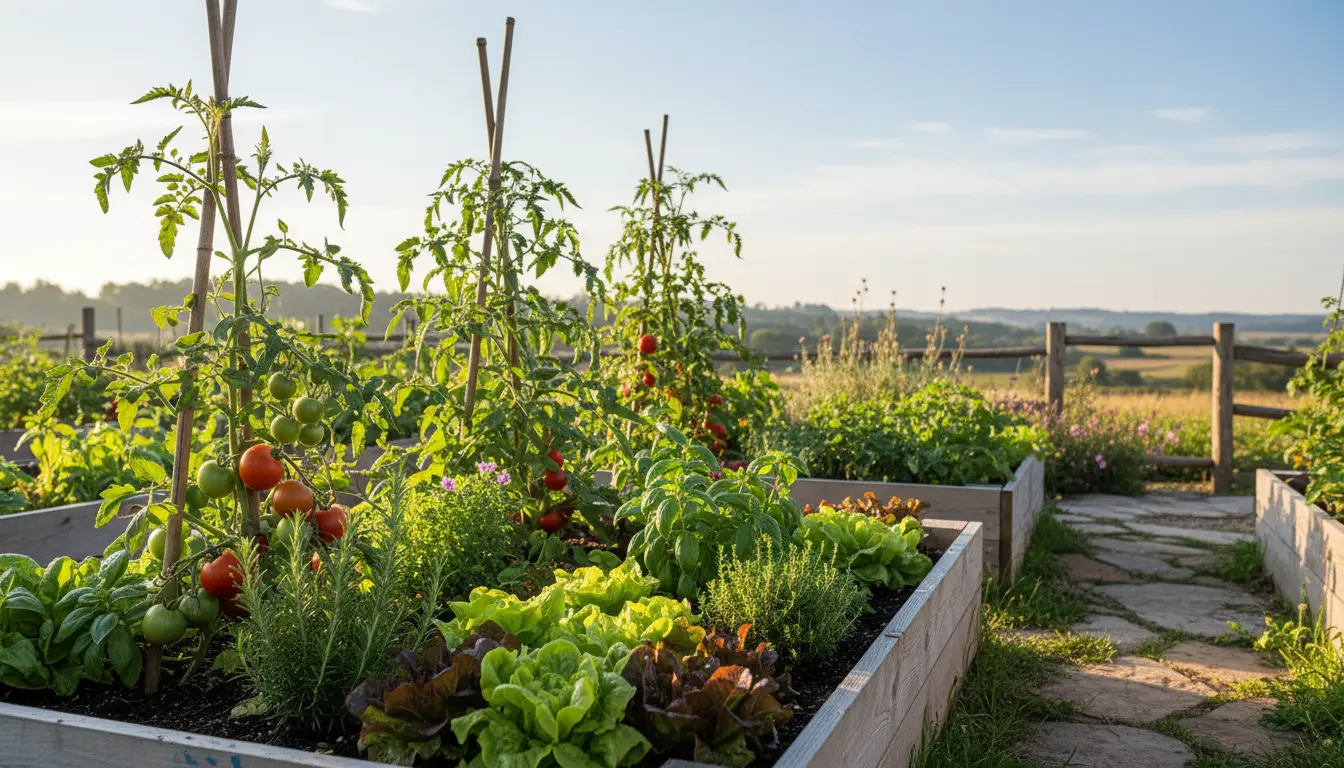
Why Start a Vegetable Garden
Starting a vegetable garden reduces grocery costs and gives you fresher produce. It also helps you control how your food is grown and can be a low-cost hobby.
Plan Before You Start a Vegetable Garden
Good results begin with a simple plan. Decide on the scale, budget, and what you want to grow before digging any soil.
- Space: balcony pots, raised beds, or in-ground rows
- Time: how many hours per week you can maintain the garden
- Goals: fresh salad greens, tomatoes, long-term storage crops, or herbs
Choose Easy Vegetables to Begin
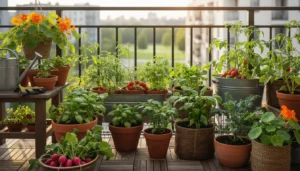
Pick crops that are forgiving and productive for first-time gardeners. This builds confidence and yields fast results.
- Leafy greens: lettuce, spinach
- Root vegetables: radishes, carrots
- Warm-season: cherry tomatoes, bush beans
Choosing a Site to Start a Vegetable Garden
Sunlight is the most important factor when you start a vegetable garden. Most vegetables need 6–8 hours of direct sun per day.
Good drainage and easy access to water are also essential. Avoid low spots that collect water and areas with dense tree roots.
Microclimates and Soil
Observe your yard for 3–5 days to understand sun and wind patterns. South-facing spots are generally warmer and receive more sun.
Test soil by digging a small hole and checking texture. Sandy soil drains fast, while clay holds water. Both can be improved with compost.
Soil Preparation When You Start a Vegetable Garden
Healthy soil makes gardening easier. Focus on structure, nutrients, and organic matter.
- Add compost: aim for 2–3 inches mixed into the top 6–8 inches of soil
- pH: most vegetables prefer pH 6.0–7.0; test kits are inexpensive
- Mulch: use straw or wood chips to retain moisture and suppress weeds
Raised Beds vs In-Ground
Raised beds warm faster in spring and offer better drainage, which is helpful for new gardeners. In-ground beds may require more soil amendment but can be lower cost.
Choose what fits your space and budget.
Planting and Timing to Start a Vegetable Garden
Follow local frost dates and plant accordingly. Start cool-season crops earlier and warm-season crops after the last frost.
- Direct sow fast crops like radishes and beans
- Transplant seedlings for tomatoes, peppers, and brassicas
- Stagger plantings every 2–3 weeks for continuous harvest
Spacing and Companion Planting
Respect seed packet spacing to avoid overcrowding. Companion planting can improve yields and deter pests.
Example: plant basil near tomatoes to potentially improve flavor and reduce pests.
Watering and Maintenance
Consistent moisture is key. Water deeply once or twice a week depending on weather rather than light daily watering.
- Use drip irrigation or soaker hoses to reduce disease
- Remove weeds regularly to cut competition
- Stake or cage vining plants like tomatoes early
Pest and Disease Basics
Inspect plants weekly and act early. Handpick large pests, use row covers for seedlings, and apply organic controls if needed.
Practice crop rotation and avoid planting the same family in the same spot each year to reduce disease buildup.
Many common vegetables like lettuce and radishes can be harvested in as little as 25–40 days, giving quick rewards for new gardeners.
Harvesting and Storing
Harvest at peak ripeness for best flavor. Pick leafy greens before they bolt and harvest tomatoes when fully colored but still firm.
Store root crops in cool, dark places and use fresh herbs within a few days or freeze them for longer storage.
Small Case Study: Jane’s Backyard Start
Jane began with two 4×4 raised beds in a small backyard. She added 6 inches of compost and planted lettuce, cherry tomatoes, radishes, and basil.
In her first season she spent about two hours per week on maintenance. By midsummer she harvested salad greens weekly and 20 pounds of cherry tomatoes by late summer.
Her costs were under $150 for beds, soil, and starter plants, and she estimates savings of about $200 in store-bought produce her first year.
Simple Checklist to Start a Vegetable Garden
- Choose site with 6+ hours sun
- Decide bed type: raised or in-ground
- Improve soil with compost and test pH
- Select easy crops for your season
- Water deeply and mulch to retain moisture
- Monitor pests and rotate crops yearly
Starting a vegetable garden is mostly about small, consistent steps. With basic planning and weekly care you can grow reliable, tasty produce even in a small space.