
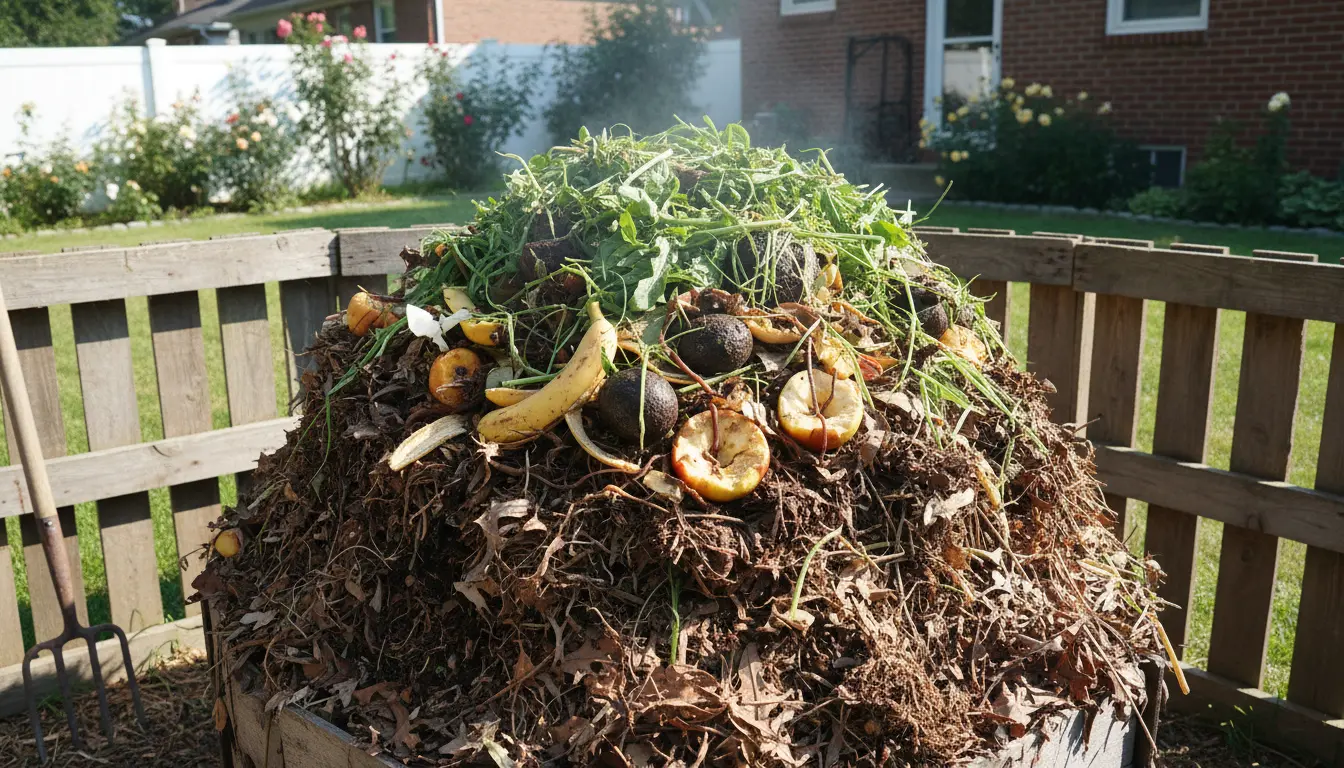
Start Home Composting With Simple Steps
Composting at home turns kitchen and yard waste into rich soil amendment. This guide focuses on practical steps any beginner can follow to create reliable compost at home.
What Is Home Composting?
Home composting is the controlled breakdown of organic materials by microbes, worms, and insects. The result is humus-like material that improves soil structure and feeds plants.
Key Benefits of Home Composting
- Reduces household waste and landfill use.
- Improves garden soil health and water retention.
- Costs less than store-bought soil amendments.
How To Start Home Composting For Beginners
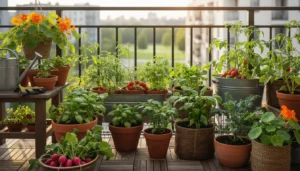
Starting composting is mainly about balancing materials, moisture, and airflow. Follow these basic steps to get a steady composting process going.
Step-by-Step Setup
- Choose a system: Bin, tumbler, pile, or worm bin (vermicompost). Pick what suits your space and effort level.
- Pick a location: A level, drainable spot with some shade is ideal. Close access to your kitchen speeds use.
- Gather materials: Collect greens (kitchen scraps, fresh grass clippings) and browns (dry leaves, shredded paper, cardboard).
- Layer and mix: Start with a coarse base (twigs), then alternate brown and green layers. Aim for roughly 3 parts brown to 1 part green by volume.
- Manage moisture: Compost should feel like a wrung-out sponge. Add water or dry material to adjust.
- Aerate: Turn or tumble your pile weekly for active systems. For worm bins, avoid turning—just mix gently when needed.
What To Compost and What To Avoid
- Compost: fruit and vegetable scraps, coffee grounds, eggshells, yard trimmings, paper, cardboard.
- Avoid: meat, dairy, oily foods, diseased plants, pet waste. These attract pests or cause odors.
Common Composting Methods For Home Composting
Choose a method based on space, smell tolerance, and time you can spend maintaining the pile.
Bin Composting
Bins keep the pile tidy and deter pests. Good for most backyards and beginner gardeners.
Tumbler Composting
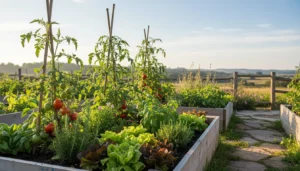
Tumblers offer fast mixing and less manual turning. They are clean and compact but often cost more upfront.
Open Pile
An open pile is low cost and scalable for large yards. It can be slower and messier but works well for large volumes.
Vermicompost (Worm Bins)
Worm bins work indoors or on patios and produce nutrient-rich castings. They require managing temperature and food balance for the worms.
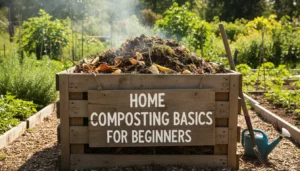
Adding small amounts of garden soil to a new compost pile introduces beneficial microbes and speeds up decomposition.
Troubleshooting Home Composting Problems
Even beginners can fix common compost issues quickly with small adjustments.
Bad Odor
Cause: Too many greens or compacted, wet materials. Fix: Add more browns, turn the pile, and check drainage.
Pests
Cause: Meat, dairy, or uncovered scraps. Fix: Stop adding those items, use a closed bin or secure lid, and bury fresh scraps within the pile.
Slow Decomposition
Cause: Low nitrogen, large pieces, or low moisture. Fix: Chop materials finer, add green material or a small nitrogen source, and keep moist.
Small Real-World Case Study
Marie, an apartment gardener, set up a 20-liter worm bin on her balcony. She added shredded newspaper, kitchen scraps, and dry leaves. After six months she harvested about 15 liters of worm castings.
She used the castings to feed three balcony planters and reported healthier plants and fewer fertilizer buys. Her weekly kitchen scraps volume dropped by roughly 30 percent after starting composting.
Tips To Keep Composting Consistent
- Keep a small countertop pail for daily scraps to reduce trips to the bin.
- Chop kitchen waste into smaller pieces to speed breakdown.
- Record observations: temperature, smell, and rate of breakdown help you learn what works.
- Use finished compost as a top dressing or soil amendment; mix into potting soil for best results.
Final Checklist For Home Composting For Beginners
- Select the right system for your space.
- Balance browns and greens and maintain moisture.
- Turn or aerate regularly unless using worms.
- Troubleshoot odors, pests, and slow decomposition early.
Home composting is an accessible, low-cost practice with clear environmental and gardening benefits. Start small, observe, and adjust—within a few months you can produce usable compost that improves your soil and reduces waste.