
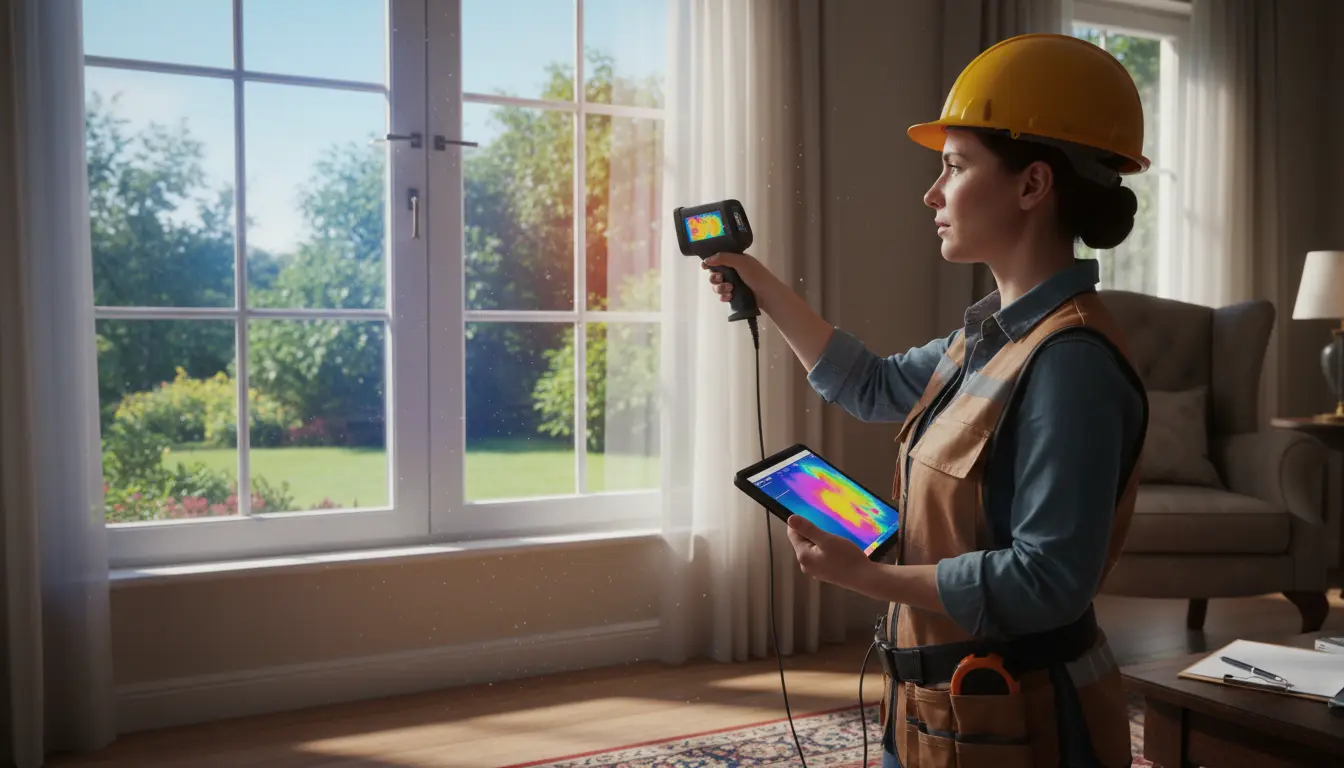
What a Home Energy Audit Shows
A home energy audit identifies where your house leaks heat or uses extra power. It focuses on air leaks, insulation, heating and cooling systems, and appliances.
This checklist helps you run a basic DIY home energy audit and decide what to fix first. Follow the steps and record findings for clear next actions.
Prepare for a Home Energy Audit

Gather basic tools before you start. You do not need a professional to find many common problems.
- Flashlight and pen or phone to take notes
- Smoke source: incense stick or a lit candle (handle safely)
- Thermometer or infrared thermometer (optional but helpful)
- Outlet tester or plug-in power meter to measure appliance draw
- Camera to photograph problem areas
Exterior Checks in a Home Energy Audit
Start outside and work inward. Problems often begin at the shell of the house.
Look for visible issues such as gaps in siding, damaged window seals, or missing insulation in attic vents.
- Inspect foundation and crawlspace vents for cracks and openings.
- Check windows and doors for gaps or rotted frames.
- Examine rooflines and attic vents for damaged flashing or missing shingles.
Interior Checks for Air Leaks and Insulation

Most energy loss happens where conditioned air meets outdoors. Check common leak points carefully.
- Doors and windows: run your hand or a smoke stick along frames to feel drafts.
- Recessed lights: inspect from the attic—many are unsealed and leak air into the attic.
- Outlets and switch plates on exterior walls: remove a plate to look for insulation gaps.
Measure insulation levels in the attic and exterior walls if possible. Compare the depth to local recommendations.
Using a Smoke Test in a Home Energy Audit
Light an incense stick and move it slowly along seams, baseboards, and window frames. Watch the smoke for steady movement to indicate a leak.
Do the test on a day with some wind for stronger results. Document every detected leak and mark it for sealing.
Heating and Cooling Systems in a Home Energy Audit
Inspect the furnace, boiler, heat pump, and air conditioner. Simple maintenance can restore lost efficiency.
- Change HVAC filters and note the date.
- Look for visible leaks in ductwork and listen for rattles or whistling sounds.
- Check thermostat placement and upgrade to a programmable model if you don’t have one.
Assessing Ductwork Efficiency
Run your hand along accessible ducts while the system runs. Feel for cold or warm air escaping through seams.
Seal obvious leaks with foil-backed tape or mastic. For major duct issues, schedule a professional duct-sealing service.
Appliances and Lighting in a Home Energy Audit
Look at major energy users and simple swap options that save electricity and money.
- Refrigerator: measure age and keep coils clean. Consider replacing units older than 10–15 years.
- Water heater: reduce temperature to 120°F (49°C) and insulate the tank if needed.
- Lighting: replace incandescent bulbs with LED bulbs.
- Plug loads: use a plug-in power meter to find vampire loads from chargers and idle electronics.
Record Keeping and Prioritizing Repairs
Use a simple table or spreadsheet to list issues, estimated cost, and expected savings. Prioritize low-cost, high-impact actions first.
- Top priority: air sealing and weatherstripping doors and windows.
- Medium priority: insulation upgrades and duct sealing.
- Lower priority: appliance replacement when units are old or inefficient.
Small Real-World Example
Case study: A two-bedroom house in Ohio reduced heating bills by 18% after basic DIY steps. The homeowner sealed gaps around doors, added attic insulation, and installed a programmable thermostat.
Total cost was under $800 and the estimated annual savings were $220. Payback time was about 3–4 years.
Sealing common air leaks can cut a typical home’s heating and cooling energy use by 10 to 20 percent. Small fixes often pay for themselves quickly.
When to Call a Professional After a Home Energy Audit
If you find complex issues—like major insulation gaps in walls, significant duct damage, or furnace problems—bring in a certified energy auditor or HVAC professional.
A professional audit may include blower door testing and infrared scans to quantify leaks and prioritize improvements.
Quick DIY Checklist Summary
- Check and seal door and window gaps.
- Inspect and add attic insulation as needed.
- Replace HVAC filters and seal ducts.
- Upgrade lighting to LEDs and reduce standby power.
- Set water heater to 120°F and insulate the tank.
Final Steps and Tracking Results
After fixes, track energy use for several months. Compare bills month to month and note weather differences.
Document savings and adjust priorities. Continuous small improvements over time deliver the best long-term savings.
Use this home energy audit checklist each season to catch new issues and maintain efficiency year-round.