
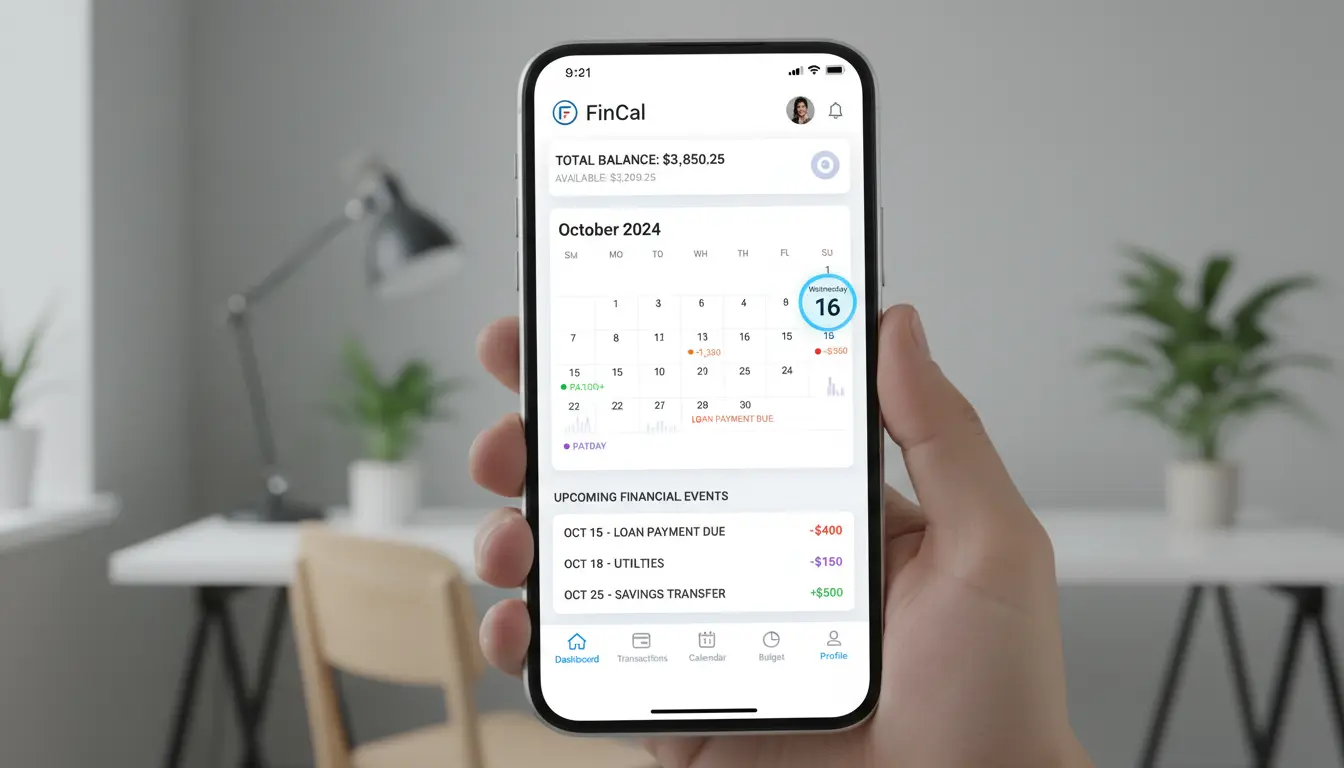
If you expect a federal tax refund in 2026, checking the IRS direct deposit calendar now can save time and confusion. This guide explains how the calendar works, how to check your expected deposit date, and steps to avoid or resolve delays.
How the 2026 IRS Direct Deposit Calendar Works
The IRS does not publish a single public calendar that lists every taxpayer’s deposit date. Instead, deposit timing is tied to when the IRS accepts your return and completes processing.

For electronically filed returns with direct deposit, most refunds arrive within about 21 days of acceptance if there are no issues. Paper returns and returns that require review often take longer.
Key factors that affect your 2026 IRS Direct Deposit Calendar date
- Filing method: e-file is generally faster than paper filing.
- Direct deposit information: correct routing and account numbers speed delivery.
- Return errors or identity checks: these will delay processing.
- Timing: returns filed during peak seasons may be processed in different batches.
How to Check the 2026 IRS Direct Deposit Calendar Dates
The IRS provides two primary tools to check refund status and an expected deposit date. Use these tools rather than relying on third-party timelines.
- Where’s My Refund? The IRS online tool shows status and an estimated deposit date after the return is accepted.
- IRS2Go app gives the same information on mobile devices and often updates daily.
To use either tool you typically need your Social Security number, filing status, and exact refund amount. The displayed date reflects the IRS processing and your bank’s receipt schedule.
Step-by-step: Check your deposit date
- Wait until the IRS has accepted your return; acceptance often appears within 24–48 hours for e-filed returns.
- Open Where’s My Refund? or IRS2Go and enter your SSN, filing status, and refund amount.
- Review the status message and the estimated deposit date. If it says ‘Return Approved’ with a date, that is your planned direct deposit day.
Common Delays on the 2026 IRS Direct Deposit Calendar and How to Avoid Them

Understanding common reasons for delays helps you take preventive steps. Many delays are avoidable with simple checks before filing.
- Incorrect bank details: Double-check routing and account numbers to avoid deposit failures.
- Identity verification: Respond promptly to IRS letters asking for additional documents.
- Errors on the return: Math mistakes or mismatched information can send your return into manual review.
- Outstanding issues: Past-year balances, fraud investigations, or tax offsets (child support, federal debts) can reduce or delay refunds.
Practical pre-filing checklist
- Confirm bank routing and account numbers directly with your bank statement or bank app.
- Use verified identity information that matches SSA and IRS records.
- File electronically and choose direct deposit for the fastest delivery when possible.
The IRS often updates Where’s My Refund? at least once daily. An estimated deposit date can change if the IRS needs additional review or your bank rejects a deposit.
What to Do If a 2026 IRS Direct Deposit Fails
A failed direct deposit can happen if account numbers are wrong or the bank rejects the deposit. Act quickly to resolve it.
- Check your bank account for a returned or rejected deposit. Your bank may provide a reason.
- If the bank accepted and then reversed the deposit, contact the bank first to ask for details.
- Contact the IRS only after checking with the bank. If the IRS returned the refund to them, you may need to reissue the deposit or request a paper check.
How to contact the IRS about a missing or reversed deposit
- Use Where’s My Refund? to confirm the refund was issued and whether a direct deposit was attempted.
- Call the IRS automated refund line or the general IRS phone number if the tool indicates a deposit but your bank shows no record.
- Be ready with your SSN, filing status, refund amount, and bank details when you call.
Small Case Study: One Taxpayer’s 2026 Direct Deposit Issue
Maria filed her 2026 return electronically and requested direct deposit. The IRS accepted her return and an estimated deposit date was shown.
When the date passed, no funds appeared. Maria checked her bank and found the routing number she entered had a single-digit error.
She contacted her bank, which confirmed there was no deposit. She then used Where’s My Refund? and called the IRS. The IRS indicated no returned funds yet, so she filed the correction with her bank and confirmed details before the IRS re-attempted the deposit.
Result: after correcting the routing number and confirming steps with both institutions, her refund arrived two weeks later.
Final Steps: Prepare Now for the 2026 IRS Direct Deposit Calendar
Don’t wait until your estimated date to start checking. A few minutes now can prevent a weeks-long delay later.
- Verify bank account and routing numbers today.
- File electronically and choose direct deposit where possible.
- Use Where’s My Refund? or IRS2Go daily during the processing window.
- Respond promptly to any IRS notices to avoid holds or identity checks.
Checking the 2026 IRS direct deposit calendar through official IRS tools and preparing your bank information are the best ways to ensure a smooth deposit. If something goes wrong, act quickly, document communications, and use the available IRS resources to resolve the issue.