
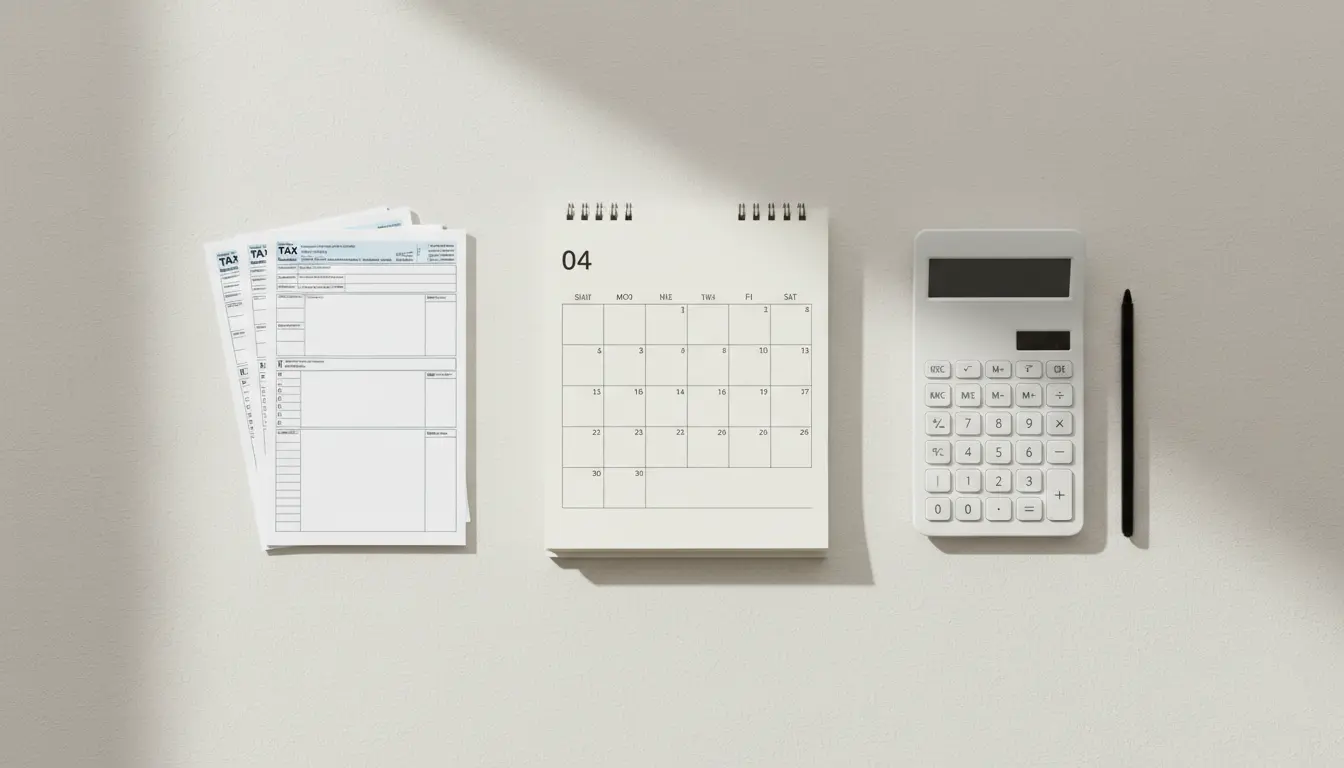
IRS 2026 refund schedule overview
The IRS release schedule each filing season affects when taxpayers receive refunds. Two refundable credits, the Earned Income Tax Credit (EITC) and the Additional Child Tax Credit (ACTC), typically trigger a delayed release window under current law.
This guide explains the expected timing for EITC, ACTC, and regular refunds in 2026 and gives practical steps to check and speed your refund.
EITC 2026 refund dates

The IRS usually delays refunds for returns that claim the EITC until mid-February. This policy is a result of the PATH Act, which requires the IRS to hold refunds for returns claiming EITC (and ACTC) until a set date each year.
For 2026 you should expect:
- Returns claiming EITC to be processed earlier but issued starting in mid-February.
- If you file early, the IRS may accept your return but will not issue the refund until the scheduled release window opens.
What affects EITC refund timing
Processing speed depends on filing method, accuracy, and whether the return requires manual review. E-filed returns with direct deposit clear checks faster once the hold period ends.

Errors, identity verification requests, or missing documents will extend the timeline beyond the hold period.
ACTC 2026 refund dates
The Additional Child Tax Credit is handled similarly to the EITC for refund timing. If your return includes ACTC, plan for refunds to be released on the same mid-February schedule used for EITC claims.
Key points:
- ACTC claimants should expect the same mid-February earliest release.
- Direct deposit is the fastest method once the IRS issues the refund.
- Claimants who need to verify dependent information may face additional delays.
Regular refund dates 2026 (no EITC or ACTC)

Taxpayers who do not claim EITC or ACTC can receive refunds earlier in the season. The IRS typically starts processing returns in January.
Typical timeline for regular refunds:
- E-filed, no issues: refunds often issued within about 21 days of acceptance.
- Paper returns: several weeks longer because of manual processing.
- Direct deposit: fastest refund delivery once issued.
Examples of regular refund timing
If you e-file on January 10 and your return is accepted quickly with no flags, you could expect a refund by early February. That estimate assumes the return does not claim EITC or ACTC.
Paper filers who mail returns in January may not see refunds until late February or March due to processing backlogs.
The IRS can accept your return early in the season but hold the refund. Acceptance does not always mean the refund will be paid immediately, especially for EITC and ACTC claims.
How the IRS schedules refunds: process and checks
The IRS uses automated checks for math errors, identity verification, and matching dependent data against government records. These checks determine if a return is cleared for payment.
When the IRS flags an issue, it may send a notice or request documentation. Respond promptly to avoid longer delays.
Common triggers for delays
- Claims for EITC or ACTC (subject to the PATH Act hold).
- Missing or inconsistent Social Security Numbers for taxpayers or dependents.
- Large or unusual refunds compared with filing history.
- Paper filing or amended returns needing manual review.
How to check and speed your 2026 refund
Use the IRS “Where’s My Refund?” tool or the IRS2Go mobile app for the most accurate status updates. These tools update once daily after the IRS processes your return.
To speed processing and avoid delays:
- E-file your return and choose direct deposit.
- Double-check Social Security Numbers and dependent information before filing.
- Respond quickly to any IRS notices requesting documentation.
When to contact the IRS
If the IRS tool shows no change after 21 days for e-filed returns (or six weeks for paper), contact the IRS. Have your tax return, filing date, and Social Security information ready.
Small real-world example: case study
Case study: Maria is a single parent who filed her 2026 tax return claiming EITC and ACTC. She e-filed on January 15 and chose direct deposit.
The IRS accepted Maria’s return but showed a pending status until the mid-February release window. After the hold period ended, her refund was issued within five business days and deposited directly into her bank account.
If Maria had filed on paper or had an identity verification request, her refund timeline would likely have been weeks longer.
Final checklist for 2026 refund planning
- E-file when ready and use direct deposit for faster delivery.
- Double-check EITC and ACTC eligibility to avoid errors.
- Monitor the IRS “Where’s My Refund?” tool daily after filing.
- Keep documentation for dependents and income in case the IRS requests it.
Following these steps will help you understand the IRS 2026 refund schedule and reduce the chance of avoidable delays for EITC, ACTC, and regular refunds.